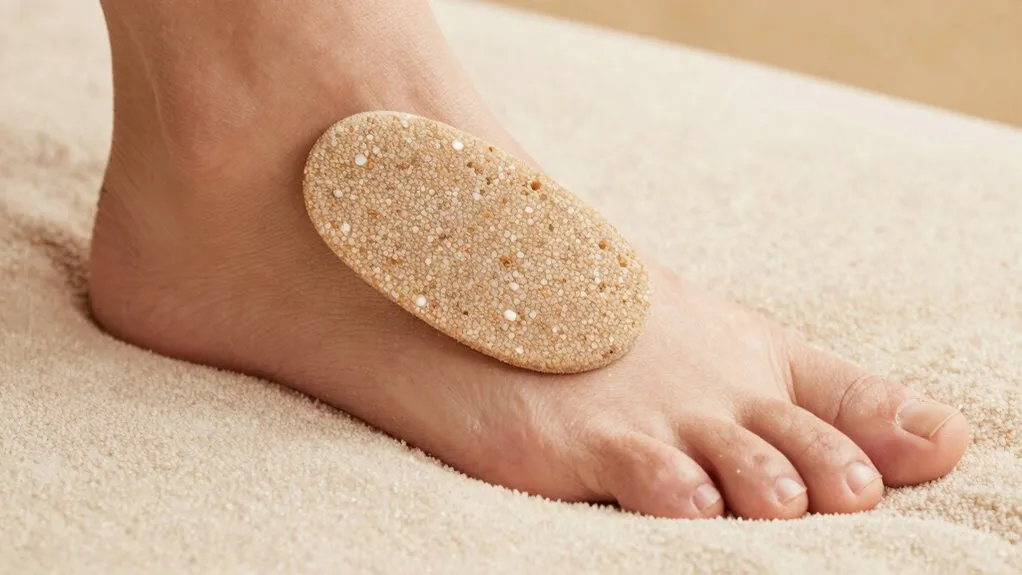
Here are 12 solid pumice callus stones for smooth, sand-safe feet, with options like dual-grit bars, natural volcanic pumice, Terra-Cotta scrubbers, and wooden-handle sets. Expect sizes from compact bars to 4-pack bundles, grips that stay dry, and stones that work wet or dry. Coarse grit handles tough calluses, medium grit maintains skin, and self-chipping designs stay clean after rinse. Prices range from budget packs to premium sets. If you keep going, you’ll see practical tips and how to use them.
Foot File Callus Remover Pedicure Scrubber Tool
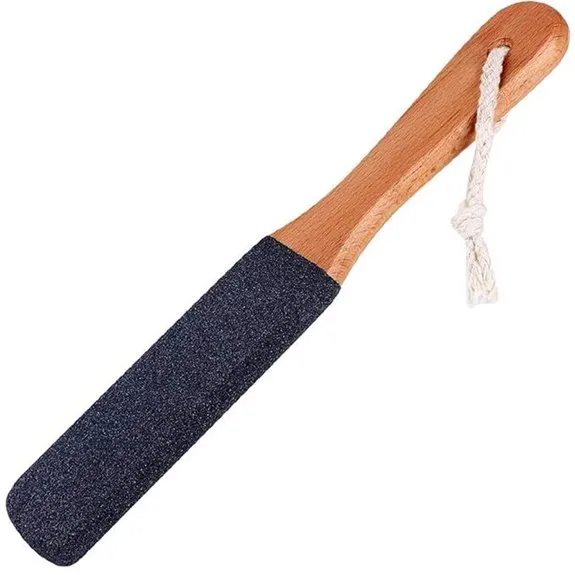
The Foot File Callus Remover Pedicure Scrubber Tool is designed for people who want a professional-level pedicure at home. This double-sided file works on wet or dry feet, removing cracked heels, dead skin, and hard callus with ease. It uses non-slip beech wood and a natural corundum stone for durability and safe use, with a non-slip handle for a secure grip. It’s easy to clean with a brush and can save time and money versus salon visits. A handy tool for at-home care, it offers quick results and a spa-like feel without the expense. Overall, practical and effective.
Mr. Pumice 2-in-1 Callus Remover Bar (4 Pack)
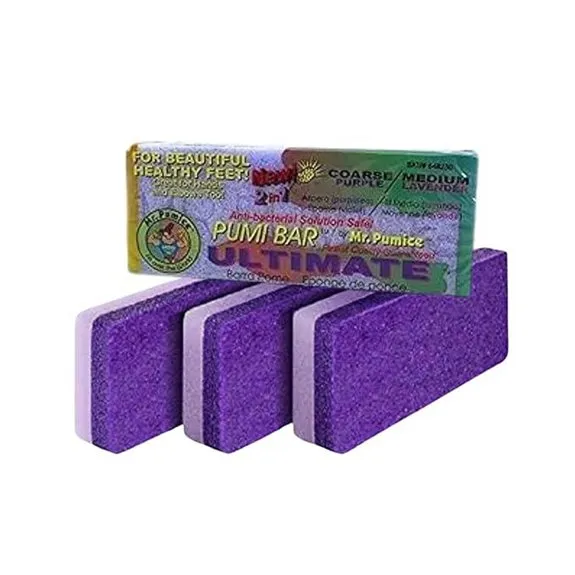
For those seeking a versatile foot care tool, the Mr. Pumice 2-in-1 Callus Remover Bar (4 Pack) offers two functions in one bar. This product is a 4-pack, designed for smooth feet and heels with a coarse side and a medium side for customizable treatment. It’s trusted by salon professionals and part of the Robanda International family, with a self-chipping material that stays clean when rinsed under hot water. The bar uses custom frothed polyurethane synthetic pumice for consistent results, providing reliable callus removal. It’s a practical, durable option for home pedicures and professional use.
Mr. Pumice Callus Remover PUMI Bar (4 Pack)
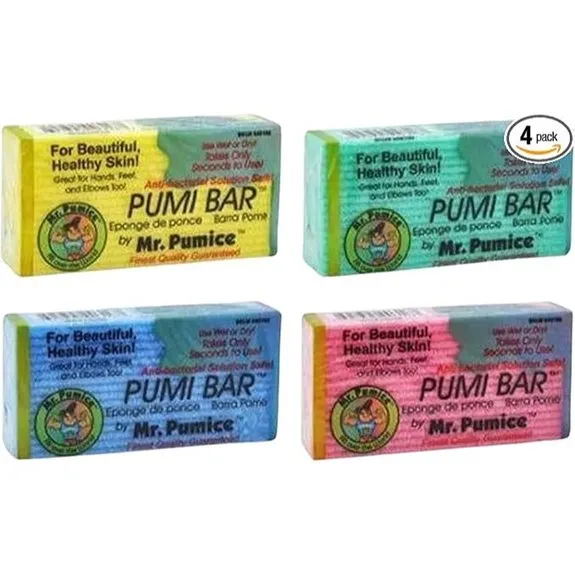
A good choice for at-home pedicures, the Mr. PUMI Bar is a 4-pack of medium-grit pedicure stones and foot/heel scrubbers. You get four bars in assorted colors, designed to remove calluses and tough skin from feet, heels, hands, and elbows. Each bar features ridged and flat sides for versatile use and a uniform frothed polyurethane pumice for steady results. It’s praised by salon pros as reliable and effective, with self-chipping material that erodes into tiny particles to prevent buildup. Clean by rinsing under hot water, and note it outperforms traditional stone or glass options for dirt and hard skin. Practical, proven, convenient.
Pumice Stone for Feet – Natural Terra-Cotta Scrubber
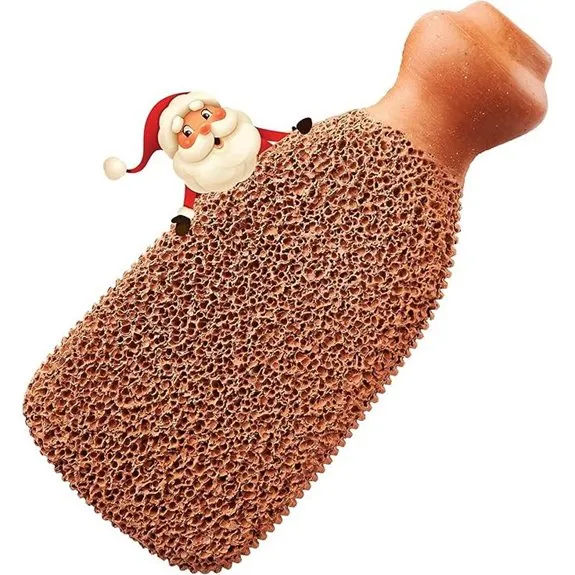
Pumice Stone for Feet – Natural Terra-Cotta Scrubber is best for anyone seeking a long-lasting, eco-friendly option that won’t crumble over time. You get a 100% natural terracotta stone designed for durability, lasting 5+ years with proper care. The ergonomic, artisan-crafted handle offers a non-slip grip for safe exfoliation, even when wet. It features two surfaces: a rough side for scrubbing away thick skin and a smooth side for polishing, with a large scrubbing area for quick results. Ideal for pedicures, it helps remove calluses and leave feet soft, smooth, and ready for sandals. Priced affordably for home use.
Pumice Stone Foot File Set with Wooden Handle
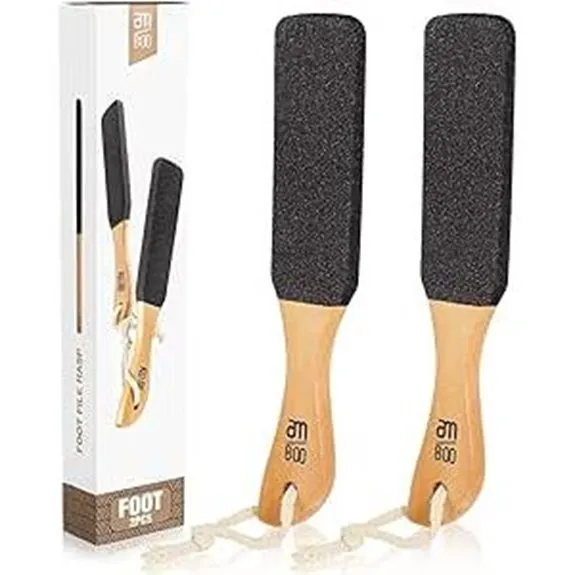
The Pumice Stone Foot File Set with Wooden Handle is best for anyone who wants a natural, easy-grip tool to remove rough skin at home. This 2-pack features a pumice stone with a long wooden handle, giving you secure control during use. It works on dry or wet feet, effectively reducing calluses, cracked heels, and rough spots for a smoother finish. Made from natural beech wood and pumice stone, it’s a plant-friendly option that’s gentle on skin. Using it in minutes can save salon costs, restoring dry heels at home with simple, repeatable steps. Prices vary by retailer.
Natural Volcanic Pumice Stone for Feet & Hands (2)
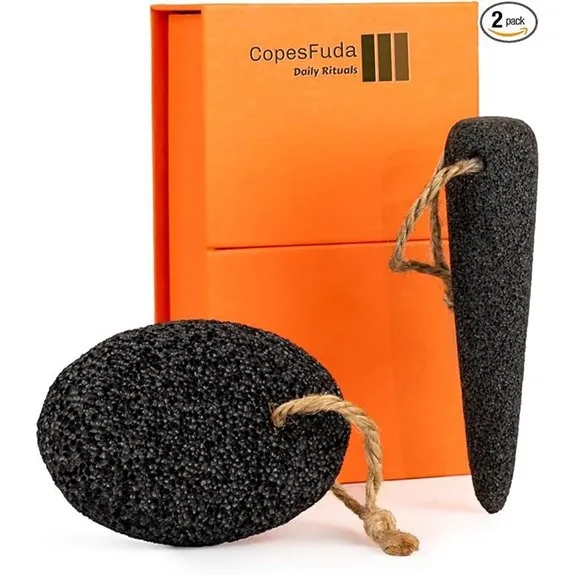
This Natural Volcanic Pumice Stone for Feet & Hands is best for anyone who wants a two-piece kit that covers both large surface areas and tight spots. You get two shapes: a regular piece for big areas and a cone shape for hard-to-reach spots. It’s made from natural volcanic rocks, crushed and mixed with bamboo charcoal powder, then re-fired to boost cleansing. Bamboo charcoal helps remove dirt and impurities, leaving feet fresher and smoother. Soak feet 10 minutes, rub gently, rinse, and hang to dry. It includes ready-to-gift packaging and a 30-day money-back guarantee.
2PCS Natural Pumice Stone for Feet & Hands
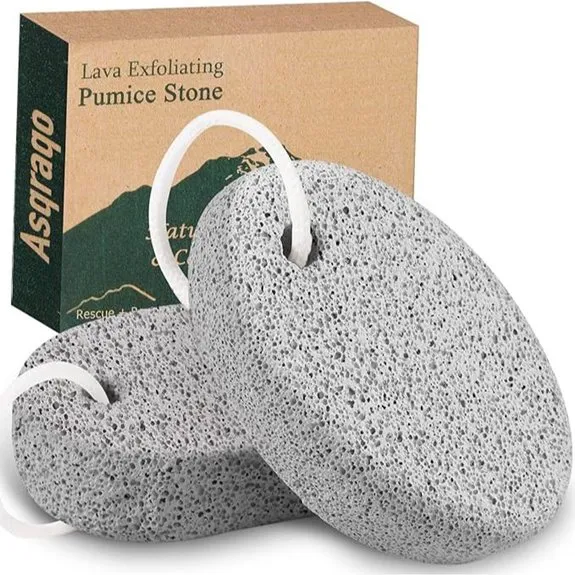
Two stones—2PCS Natural Pumice Stone for Feet & Hands—offer a simple, practical solution for removing hard skin and calluses on both feet and hands. This Asqraqo set uses natural porous lava stone, mildly abrasive for smoother skin, with an ergonomic design for easy handling. Use on moist skin after soaking feet; rub in circular motions with soapy water to lift dead skin. The package includes 2 stones for sharing, and a satisfaction guarantee backs the product. Ideal for exfoliation and dead skin removal, it combines history and practicality, appealing to budget‑mary users seeking steady results.
Pumice Stone: Natural Black Foot Skin Exfoliator
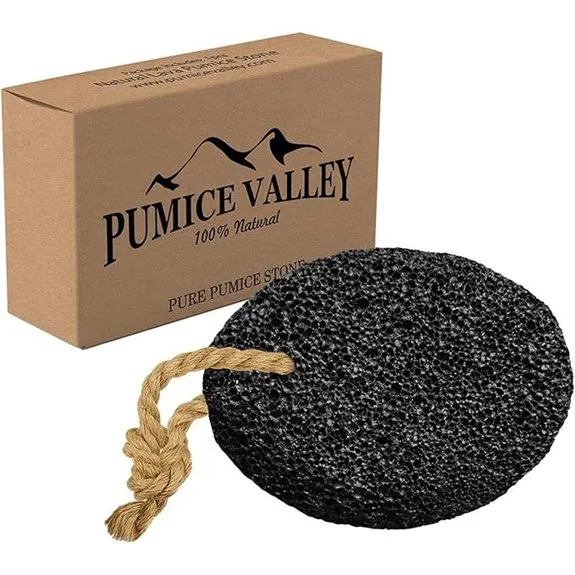
Pumice Stone – Natural Earth Lava Black stands out for its durable, authentic volcanic material, making it the best choice if you want a lasting exfoliant that works on calluses, corns, and rough heels. You get a stone sourced from volcanic lava rock, with a unique texture that confirms authenticity. Rinse before use to clean and reveal the true color. It helps massage and stimulate blood flow, promoting soft skin over time. The stone’s design fits well in your hand and carries a natural hang rope to dry after wet use. Priced affordably, it’s a practical gift, too.
4-Pack Natural Pumice Stone for Feet
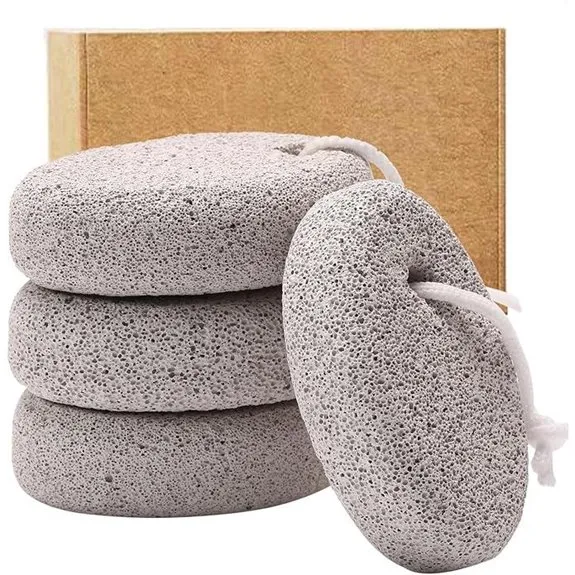
The 4-Pack Natural Pumice Stone for Feet from Borogo is ideal for anyone who wants an affordable, ready-to-use solution for hard skin and calluses. This pack includes four mini pumice stones, each with a compact size for easy handling and loops to hang and dry after use. The natural pumice offers exfoliation, helps promote blood circulation, and can relieve fatigue during a foot care routine. Use on wet skin after soaking, rub in circular motions, then rinse and follow with lotion or oil. A practical gift idea for loved ones seeking smoother feet. Price is budget-friendly for multiple uses.
Mr. Pumice 2-in-1 Bar: Callus Remover & Pedicure Stone
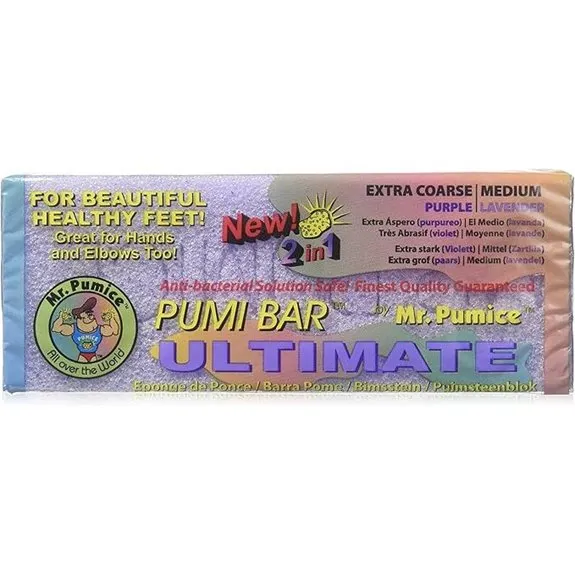
This 2-in-1 bar stands out for anyone seeking a versatile, sanitary tool to remove calluses and smooth feet, hands, and elbows with a single product. The Mr. Pumice Ultimate PUMI Bar combines dual-grit options—medium and coarse—for different callus types on feet, hands, and elbows. It’s made from custom frothed polyurethane synthetic pumice, providing a uniform structure that resists unsanitary buildup by eroding into tiny particles during use. Use dry or with soap and warm water, rubbing to remove rough skin. The lavender side targets medium calluses, the purple side tackles tougher areas, and professionals trust it. Prices vary by retailer.
EWAGOA Foot Pumice Stone Pack for Callus Care
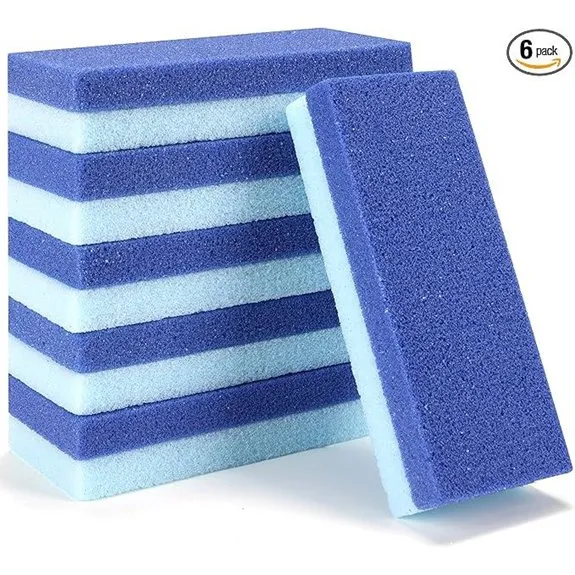
Easily tackle calluses at home with the EWAGOA Foot Pumice Stone Pack, a practical set designed for routine foot care. This 6-pack includes six individually sealed stones, each measuring 5x2x1 inches, for easy handling. The double-sided design gives a rough side and a medium side, suitable for various calloused feet and as a shower foot scrubber. Made from high-quality materials, the stones are durable and won’t shed like foam options. They’re a safer alternative to blades or scrapers, offering an at-home spa feel. Use for feet, hands, body, and elbows to maintain smooth skin.
Maryton Natural Pumice Stone for Feet (1 Count)
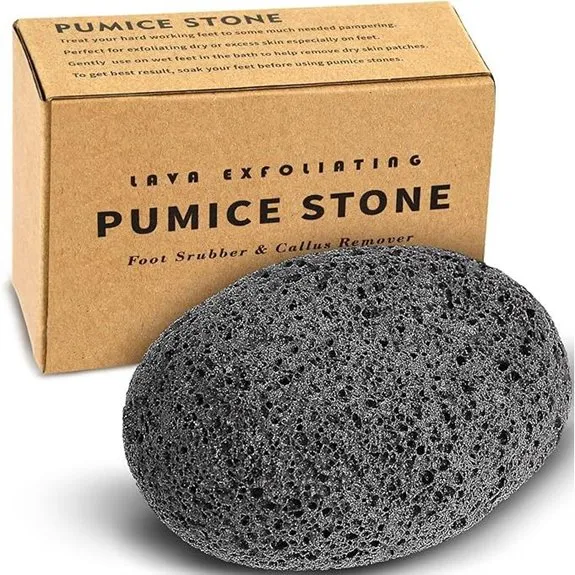
Maryton Natural Pumice Stone for Feet (1 Count) is a solid pick if you want an simple, effective way to remove dead skin and rough patches from feet and hands. This lava foot exfoliator scrubs away dead skin, corns, and calluses, leaving you smoother skin. Made from original lava, it uses natural exfoliation to soften and renew skin on hard, dry, cracked areas. Use it in a shower, bath, or soak for best results, then rinse. It adds a home spa feel without high costs, and makes a practical self-care gift for the holidays. Price varies by retailer.
Factors to Consider When Choosing Pumice Callus Stones
When choosing pumice callus stones, you’ll consider material durability, grit variety, and how easy they are to clean, since you want something that lasts, feels comfortable, and stays hygienic. Look for stones with durable, lightweight foam or ceramic bases and a range of grits from fine to coarse so you can adjust as your feet improve, and check that cleaning is quick with rinse-off soap and water. Also think about ergonomic design and multi-use options, like a handle or dual-sided stones, so you get better control and more value from one tool surface.
Material Durability
Durability is a key factor when choosing a pumice callus stone, and the material you pick affects how long it lasts and how well it works over time. Natural volcanic pumice lasts several years, resisting crumbling and wear so you get steady exfoliation. High-quality options, like custom frothed polyurethane pumice, resist unsanitary buildup and keep their shape, which helps you use them confidently over months. Stones crafted from durable materials are less likely to crack or degrade during use, providing consistent performance. Proper care matters, too—rinse after each use, dry thoroughly, and store away from moisture. With durability in mind, you’ll balance longevity and price, choosing a stone that suits your routine and budget.
Grit Variety
Grit variety is a key factor when choosing a pumice callus stone because the coarseness determines how aggressively you remove dead skin. Grit variety refers to the coarseness or fineness of the stone, which decides its effectiveness on different calluses and skin. A dual grit design, with coarse and medium grit, lets you tailor treatment based on severity. Coarse grit tackles tough, thick calluses, while medium grit handles general maintenance and smoothing of less rough areas. Using stones with multiple grit options can boost your foot care routine by providing versatile solutions for various conditions. Selecting the right grit type helps prevent irritation and damage, ensuring a safe, comfortable exfoliation experience. Look for stones labeled dual or variable grit and read user reviews for performance.
Cleaning Ease
Many pumice stones are easy to clean, especially those made from self-chipping materials that rinse clean under hot water and resist unsanitary buildup. You can also use them wet or dry, which helps after each session and keeps maintenance simple. Natural pumice stones should be rinsed and hung to dry after use to maintain effectiveness and hygiene. Some stones include ergonomic features that simplify cleaning and give you a secure grip during use, reducing slip risk. Regular cleaning extends the stone’s life and keeps exfoliation effective for feet. Look for stones labeled for dishwasher-safe cleaning or those sold with a simple brush for quick cleaning. Prices vary, typically $6 to $15, depending on size and brand.
Ergonomic Design
Ergonomic design matters because it affects how comfortably and accurately you can exfoliate, not just how you grip the stone. A well-made handle gives a non-slip grip, so you can maneuver with better precision on rough areas. The shape and contour of the stone help you reach tight spots, ensuring thorough exfoliation of calluses and dead skin. Lightweight materials reduce fatigue during longer sessions, making the tool easier to handle over time. Ergonomic features often include textured surfaces and balanced weight, which promote steady control. Choosing a stone with a comfortable grip can improve results and make your routine more enjoyable. When you compare options, look for clear grip texture, balanced feel, and a size that fits your hand comfortably. Prices vary by brand.
Multi-Use Versatility
Multi-use versatility matters because you’ll want a pumice stone that works across several parts of your body and in different settings. You’ll find stones that tackle feet, hands, elbows, and knees, making them a flexible tool for exfoliation and dead skin removal. Many stones use dual-sided designs, giving you different grit levels for hard skin and calluses, so you can customize treatments. They perform well in wet and dry conditions, great for showers, baths, or a planned foot care routine. Some models include ergonomic handles or shapes to reach tricky areas and improve control. Regular use promotes smoother skin and better foot health, supporting personal care and professional pedicures. Consider grip, grit, size, and price for best value.
Value and Packaging
When choosing pumice callus stones, value and packaging matter because you’ll rely on them regularly and want a setup that suits your routine. Look at how many pieces are in a pack, since larger packs often save money for frequent users. Consider size and dimensions: smaller stones are easier to handle, while larger ones cover more surface area quickly. Check packaging hygiene, such as individually sealed stones, to prevent contamination before use. Some options offer dual-sided designs or varying grit levels, boosting versatility for different skin needs. Durability matters too; stones made from quality materials last longer and reduce replacements. Compare prices per stone and per pack to find true value, then choose a practical, well-sealed option that fits your routine.
Frequently Asked Questions
Are Pumice Stones Reusable After Cleaning Properley?
Yes, pumice stones are reusable after proper cleaning, drying, and storage. Rinse off debris with warm water, scrub with a brush, and let them air dry completely to prevent mold. Store in a dry, ventilated area; avoid airtight gaps. For best life, replace if you notice cracks, rough patches, or reduced abrasive action. Typical options cost around $3–$10, with sizes from 1 to 3 inches, and grits ranging fine to medium.
How Often Should I Replace My Pumice Stone?
You should replace your pumice stone every 1 to 3 months, depending on use and condition. If it shows roughening, cracking, or grit loss, swap it. Store dry and clean, after each use, to extend life. When you notice less effective exfoliation, consider a new stone, or switch to a finer grit for sensitive feet. Expect about 2–3 stones per year with weekly use, cost roughly $3–$8 each.
Can Pumice Stones Cause Skin Irritation or Tears?
Yes, pumice stones can cause irritation or tears if used too hard, on broken skin, or with sensitive conditions, so be gentle. Check for rough edges, avoid over-scrubbing, and use wet skin with light, circular motions. Rinse and pat dry after use, apply moisturizer, and replace worn stones every 3–6 months. For safety, test on a small area first, and consult a clinician if you notice redness, itching, or persistent irritation.
What’s the Best Storage to Prevent Bacteria Growth?
To prevent bacteria growth, store pumice stones in a breathable, dry place with good air circulation. Let the stone fully dry after use, then keep it in a clean, dry container or on a rack, away from damp bathrooms. Avoid airtight boxes. If you store multiple stones, label them and replace if you notice mold or odor. Clean monthly with mild soap, then air-dry completely before reusing. Price varies by size, typically $3–8.
Do Different Stones Work Better for Dry vs. Wet Feet?
Yes, different stones can work better depending on moisture. For dry feet, use a coarse or medium pumice stone (60–100 grit) to remove rough spots, then buff with a finer stone (120–180 grit). For wet feet, a fine grit (180–240) works better, as water helps slide debris away. Look for natural volcanic pumice, non-slip grips, and sizes around 3–4 cm, priced $4–$12. Always moisturize after, and avoid over-scrubbing.
Wrapping It Up
You’ll want a pumice stone that’s sturdy, easy to grip, and gentle enough for daily use. Look for natural pumice with a medium grit, around 1–2 inches in size, or a foot file with a wooden handle for better leverage. Check prices between $5 and $15, and note when sets include multiple stones in one pack. Consider waterproof designs for shower use, and prefer products with quick-rinse surfaces. In short, pick practicality, value, and safety.




i have thick calluses on my heels and I’m worried about using too much coarse grit. How do I tell whether I should start with coarse vs medium on these pumice stones so I don’t get sore or red after?
Start with medium grit. If your heels are thick, medium usually removes the top build-up without shredding skin the way coarse can. During your first few sessions, pay attention to how your skin behaves right after: mild pinkness that fades within 10–20 minutes is generally okay; redness that lasts into the next day, stinging, or feeling “raw” counts as too much. For medium vs coarse, use coarse only on small stubborn patches after a couple weeks with medium. Keep the skin wet, use gentle pressure, and stop at the first sign of warmth or discomfort. If you’re getting sore or red, skip coarse and repeat medium later instead of pressing harder.
i’m trying to decide between using a pumice bar on wet feet in the shower vs doing it on dry skin at night. Which stone types are less likely to crumble or irritate if i switch routines like that?
If you want the safest swap between shower-wet and nighttime-dry, choose true pumice bars/blocks (not metal/“sanding” rollers) that have a sealed, solid body and feel consistently rough—not flaky. In general, pumice that’s meant to be rinsed in use (fine, dense pores) is less likely to crumble than lighter, more brittle stones. For dry-skin sessions, avoid heavy exfoliation: use gentle pressure and stop at the first sign of redness, then moisturize right after. If your stone starts shedding grit, that’s your cue to switch routines to reduce irritation or replace it.
After a shower, I set this foot file on the edge of the tub and lightly worked at a rough spot before getting dressed. It felt straightforward to use, and my feet looked a bit more even, which was a small win for me.
I’ve got sensitive skin and sometimes get eczema patches around my heels. Is it even safe to use a pumice callus stone from the shower or should I avoid them completely when my skin is irritated?
If you’re getting eczema patches on your heels, it’s safest to pause using a pumice callus stone on the irritated areas. The stone’s abrasiveness can worsen inflammation, trigger itching, and create tiny skin breaks—especially if the skin is cracked, weepy, or raw. During a flare, stick to gentle cleansing and a thick, fragrance-free moisturizer or clinician-recommended treatment until the skin is fully calm and intact. Once you’re clear, you can cautiously use a pumice stone very lightly for a short time, then rinse well and moisturize. If you have diabetes, poor circulation, or nerve sensation issues, avoid filing and ask a clinician first.
Do pumice stones with different shapes (like bars vs terra-cotta scrubbers) work differently on the sides of my heels and the arch? I’m trying to avoid missing spots when I’m rushing before beach season.
Yes—shape changes how easy it is to reach specific contours. A bar or foot file is great for longer, straighter passes on the arch and flatter areas, so you can smooth evenly without overworking one spot. Terra-cotta scrubbers and similar chunkier shapes tend to “fit” curved edges better, which helps you clean up the sides of your heel where the skin naturally angles inward. When you’re rushing, use light pressure, keep the stone moving, and overlap passes so you don’t leave a strip. For stubborn roughness, don’t press harder—switch to the shape that matches that exact side or angle.
I bought the double-sided pumice foot file, but the stone already looks a little flaky at the edges. I’m in Santa Monica so I’m always walking in sandals—should I still use it, or is it safer to switch to one of the solid pumice bars?
If the double-sided pumice file is already flaky at the edges, stop using it for now. Light shedding from pumice can happen, but significant crumbling means the abrasive surface is degrading and could cause irritation. Since you’re in Santa Monica and spend a lot of time in sandals, switch to a solid pumice bar (or a gently abrasive callus stone) with a more stable surface. Use light pressure, soak first if needed, and smooth gradually. If you notice redness, burning, open skin, or tenderness, pause and let your skin recover before trying again.
I’m trying to plan this around work. What should I prepare before calling someone about 12 pumice callus stones for smooth, sand?
Before you call someone about 12 pumice callus stones for smooth, sand-ready feet, gather a few details so you get the right options fast. Decide how many people you’re prepping (you mentioned 12 stones) and whether they need separate sizes or grits. Measure what you’re working on—especially thick callus areas on heels or the ball of the foot—so they can recommend the right aggressiveness. Also note any sensitivities (e.g., very dry skin, diabetes, or broken skin) so they can advise safer use. Finally, ask about expected routine timing and what to buy alongside the stones (foot soak, moisturizing cream, and a light brush/cloth).
I have pretty dry, rough heels and I’ve got a beach trip in about a week. If I start using one of these pumice stones now, what’s a realistic “sand-safe” goal, and when should I stop so I don’t end up irritated before I leave?
Aim to get your heels noticeably smoother by hand—no thick, bumpy patches that feel snaggy when you rub them—while still leaving a light, natural texture. If you start today, a week is a reasonable window for visible improvement, but you should not push for “baby-smooth” if your skin is dry. Use the pumice only on the thickest areas with light passes for a couple of short sessions total (think 1–2 minutes per foot), then rinse and moisturize after. Stop immediately if you feel any redness, stinging, or tenderness, and avoid a hard session right before you go—consider skipping the day before your beach trip.
I want to use a pumice stone regularly, but I’m not sure how to keep it from getting gross. After rinsing, should I let it fully dry, and is there a best way to store it so it doesn’t stay damp?
Yes—after you rinse your pumice callus stone, let it air-dry completely before you put it away. Don’t seal it in a closed container while it’s still damp, since that keeps moisture trapped and can get it “gross.” For storage, keep it in a dry spot with airflow, like on a ventilated bathroom shelf away from the shower spray (or in an open holder where it can dry fully). If it has been in a wet environment, rinse, dry longer, and replace it if you notice any lingering odor or discoloration.