Here are five solid options for 2026: TIQLAB Standing Desk with Drawers offers an adjustable 28.3–47.2″ height, a 48×24″ maple top, two drawers, and quiet electric lift up to 220 lbs. VARI Electric Desk provides a 60×30″ surface, 25–50.5″ height range, four presets, and a quiet dual‑motor system. Veken 63×28″ has a wide workspace and memory presets. SEDETA 63″ includes storage, power strip, and 200 lb capacity. YDN has cable management and three presets. Details help you compare, and you’ll gain more from here.
| TIQLAB Standing Desk with Drawers Adjustable Height | 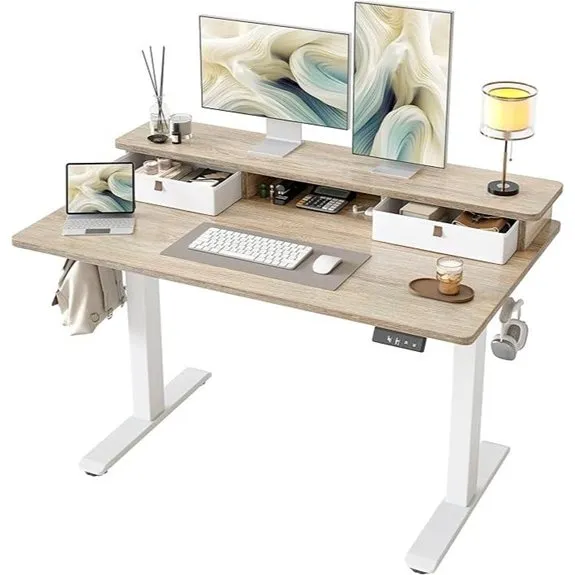 | Best Overall | Height Range: 28.3 to 47.2 inches | Electric Height Adjustment: Electric | Weight Capacity: 220 lbs | VIEW LATEST PRICE | See Our Detailed Review |
| VARI Electric Standing Desk with Adjustable Height and Memory Presets | 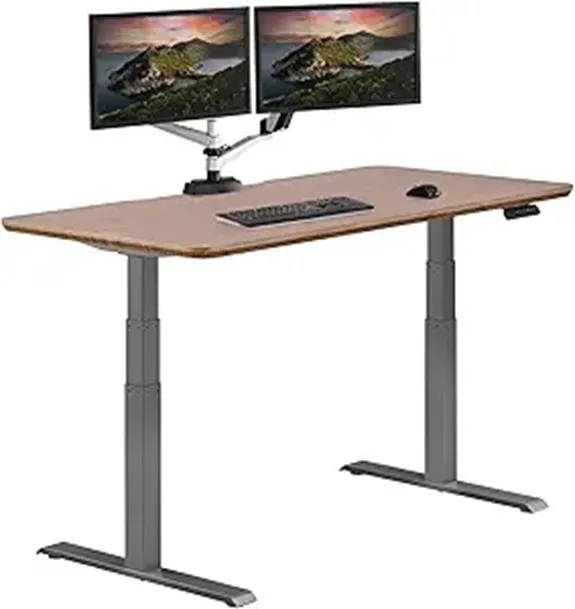 | Luxury Dual-Motor | Height Range: 25 to 50.5 inches | Electric Height Adjustment: Electric | Weight Capacity: Not specified (implied high load; no explicit limit) | VIEW LATEST PRICE | See Our Detailed Review |
| Veken 63×28 Inch Electric Standing Desk Brown | 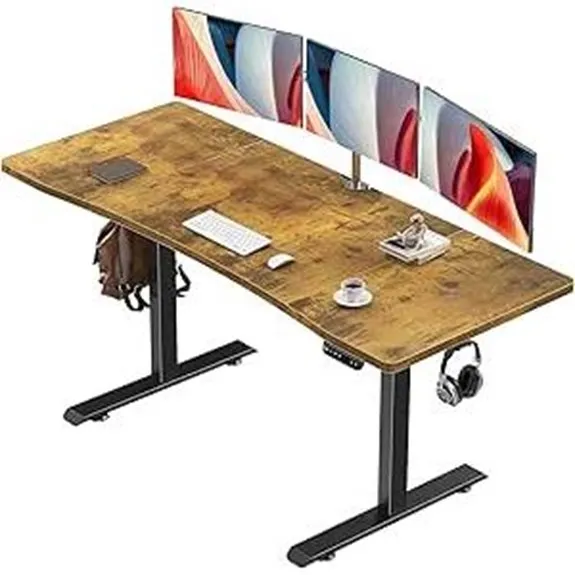 | Sturdy Comfort | Height Range: 27.9 to 45.6 inches | Electric Height Adjustment: Electric | Weight Capacity: Not specified (implied sturdy frame; no explicit limit) | VIEW LATEST PRICE | See Our Detailed Review |
| SEDETA 63″ Electric Standing Desk with Storage | 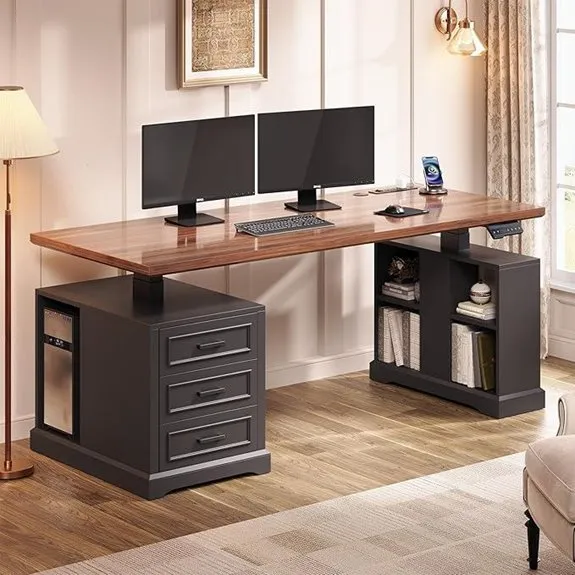 | Storage-Integrated | Height Range: 31 to 47 inches | Electric Height Adjustment: Electric | Weight Capacity: 200 lbs | VIEW LATEST PRICE | See Our Detailed Review |
| YDN Electric Standing Desk with Cable Management | 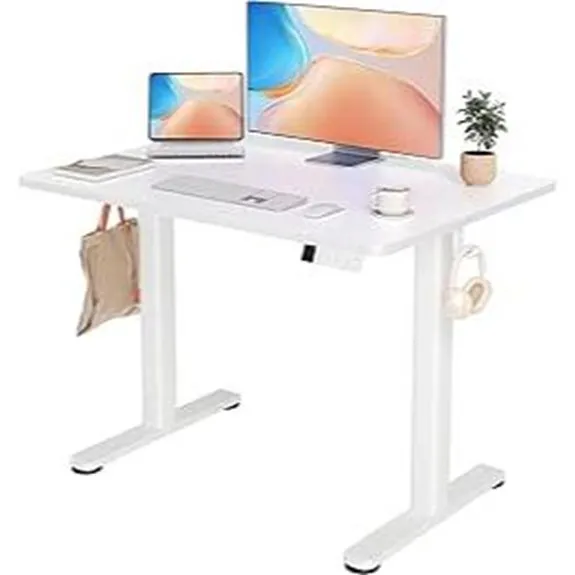 | Compact & Quiet | Height Range: 28.3 to 46.5 inches | Electric Height Adjustment: Electric | Weight Capacity: 176 lbs | VIEW LATEST PRICE | See Our Detailed Review |
More Details on Our Top Picks
TIQLAB Standing Desk with Drawers Adjustable Height
The TIQLAB Standing Desk with Drawers is a solid pick for anyone who wants an affordable, adjustable-height option with built-in storage. You get a 48 x 24-inch maple top, with two spacious drawers and a shelf, plus a sturdy metal base. Height ranges from 28.3 to 47.2 inches with electric adjustment and preset options, so you can choose a comfortable position. It lifts up to 220 lbs at about 25 mm/s, with noise under 50 dB. Assembly takes roughly 45 minutes, and the unit weighs 22.68 kg. It supports healthier posture and better workflow without breaking the bank.
- Height Range:28.3 to 47.2 inches
- Electric Height Adjustment:Electric
- Weight Capacity:220 lbs
- Top/Desk Material Type:Engineered wood top
- Assembly/Setup:Assembly time ~45 minutes
- Storage/Organization:2 drawers + shelf
- Additional Feature:Two drawers included
- Additional Feature:Light brown finish
- Additional Feature:220 lbs lift capacity
VARI Electric Standing Desk with Adjustable Height and Memory Presets
A standout option for 2026 is the VARI Electric Standing Desk, thanks to its 60×30 inch surface and memory presets that simplify transitions between sit and stand. You get adjustable height from 25 to 50.5 inches, with four programmable presets and a quiet dual-motor system. The desk uses a walnut top with sturdy, T-style steel legs and a stable frame. Setup is quick, under 10 minutes, with pre-installed components and tools included. The LED control panel makes height changes easy, and the 115-pound unit feels solid. It ships with a lifetime warranty and solid customer ratings.
- Height Range:25 to 50.5 inches
- Electric Height Adjustment:Electric
- Weight Capacity:Not specified (implied high load; no explicit limit)
- Top/Desk Material Type:Engineered wood top with 3D laminate finish
- Assembly/Setup:Ready in under 10 minutes
- Storage/Organization:No drawers (open surface)
- Additional Feature:Memory presets (up to 4)
- Additional Feature:Quiet, whisper-quiet operation
- Additional Feature:60×30 footprint
Veken 63×28 Inch Electric Standing Desk Brown
Veken 63×28 Inch Electric Standing Desk Brown stands out for a large, steady workspace that fits multiple monitors and office gear, making it a solid pick if you need room to spread out. You get a 63 by 28 inch desktop with a brown wood finish and a 27.9 to 45.6 inch height range. The desk weighs 43.4 pounds and supports a 70.4 inch diagonal working surface. It uses a heavy-duty steel frame for durability and a smooth electric mechanism for easy sitting or standing. It includes memory presets, is easy to assemble, and comes with a limited warranty.
- Height Range:27.9 to 45.6 inches
- Electric Height Adjustment:Electric
- Weight Capacity:Not specified (implied sturdy frame; no explicit limit)
- Top/Desk Material Type:Wooden desk top with brown finish
- Assembly/Setup:Assembly required; all tools included
- Storage/Organization:No drawers (open surface)
- Additional Feature:Curved edge design
- Additional Feature:70.4-inch diagonal worksurface
- Additional Feature:Memory preset feature
SEDETA 63″ Electric Standing Desk with Storage
SEDETA 63″ Electric Standing Desk with Storage stands out for offering a full-feature setup in a single, spacious 63-inch desktop that helps you stay organized. You get 3 storage drawers, open shelves, a built-in power strip with 4 outlets and 2 USB ports, and a storage cabinet with a CPU stand. The desk adjusts from 31 to 47 inches, with an LED display and three height presets. It has a durable wood top, reinforced base, and an industrial steel frame that supports up to 200 lbs. Quiet motor keeps noise under 30 dB. Warranty covers replacement or partial refunds for damage.
- Height Range:31 to 47 inches
- Electric Height Adjustment:Electric
- Weight Capacity:200 lbs
- Top/Desk Material Type:Wood desktop
- Assembly/Setup:Assembly; tools included
- Storage/Organization:3 drawers + open storage + CPU stand
- Additional Feature:3 drawers + cabinet
- Additional Feature:Built-in power strip (4 outlets)
- Additional Feature:Quiet motor (<30 dB)
YDN Electric Standing Desk with Cable Management
The YDN Electric Standing Desk with Cable Management stands out for those who need a reliable, budget-conscious option with organized workspace basics. You get a 40 x 24-inch desk in white, with a white top and industrial-grade steel frame that supports up to 176 lbs. The electric height adjustment runs from 28.3 to 46.5 inches, with three memory presets and a quiet motor for smooth changes. It includes an integrated cable management system, a headphone hook, and a cable organizer. Easy assembly with tools and a video guide helps you set up quickly, and a limited warranty backs your purchase.
- Height Range:28.3 to 46.5 inches
- Electric Height Adjustment:Electric
- Weight Capacity:176 lbs
- Top/Desk Material Type:White wood/laminate top
- Assembly/Setup:Assembly; tools included
- Storage/Organization:Cable management; headphone hook; no built-in drawers
- Additional Feature:Three memory presets
- Additional Feature:Integrated cable management
- Additional Feature:Includes headphone hook
Factors to Consider When Choosing Standing Desk
When choosing a standing desk, consider height range flexibility to fit your torso and chair height, plus a stable base to support you through long work sessions. Check the weight capacity and workspace fit, ensuring the desk can hold monitors, laptops, and accessories without crowding your desk area, and note any noise level that could disrupt focus. In addition, think about potential prices, standard features like cable management, and how easy it is to adjust and move if you need to reconfigure your setup.
Height Range Flexibility
A good standing desk should offer a wide height range so you can switch from sitting to standing without strain, and the best models support at least 25 to 50.5 inches, giving options for most heights. A wide range helps different tasks and users, allowing quick transitions with little effort. Desks with electric height adjustment make changes smooth and fast, promoting better posture and less fatigue. Memory presets enhance daily flow, letting you save preferred heights for sitting, typing, and meetings. Ergonomic benefits come from ranges like 27.9 to 47.2 inches, which cover a broad group of users. A range over 20 inches significantly boosts adaptability, supporting varied activities and long workdays without constant readjustment. Prioritize reliability, programmable heights, and easy keypad access.
Stability And Base
Stability and base design matter because a wobble-free desk keeps you safe during quick height changes and busy work days. A stable base prevents wobbling and ensures a safe working environment, especially during height adjustments. Materials like industrial-grade steel frames are preferred for durability and high weight support, often 176 to 220 lbs. The design of the legs, such as T-style or reinforced bases, boosts stability and lowers tipping or shaking risk during use. Heavy-duty construction improves performance, delivering smooth, quiet height changes, typically under 50dB. Proper assembly and installation play a vital role in achieving optimal stability, with some models including tools and clear instructions for easy setup. Prioritize a solid base for reliable daily use.
Weight Capacity
Weight capacity matters because it determines how much you can place on the desk without risking sag or wobble. When selecting a standing desk, check the weight capacity, usually around 176 lbs to 220 lbs, to ensure it supports your gear securely. A higher capacity lets you use multiple monitors, heavy equipment, and extra items without stability issues. Always add up the combined weight of your computer, monitors, and other desktop items to evaluate capacity accurately. Desks with industrial-grade steel frames often offer greater weight support, making heavier setups easier to handle. Look up the manufacturer’s specs for load capacity, since designs and models vary and so can performance and safety. Choose based on your current and future equipment needs.
Workspace Fit
When choosing a standing desk, consider how well it fits your space and daily workflow. Start with workspace dimensions: desks usually run 40 to 63 inches wide and 24 to 30 inches deep, which affects placement and usability. Check the height adjustment range to meet ergonomic needs; most desks go from about 25 to 50.5 inches, accommodating different users and stances. Evaluate design and shape; rectangular tops fit tighter spaces, while larger surfaces handle multiple monitors and supplies. Look for organizational features like built-in cable management to reduce clutter. Don’t overlook weight capacity, commonly 176 to 220 lbs, to keep your gear stable. These factors together shape how smoothly your desk supports daily tasks and efficiency.
Noise Level
Many standing desks run quietly enough to fit into shared or quiet spaces, but noise levels can vary by model and motor type. You’ll want to check the noise spec, measured in decibels, to assess suitability for a focused environment. Most electric desks operate below 50dB, similar to a quiet office, which helps you work and talk without distraction. A quieter motor improves concentration and conversation, especially in home offices or coworking spaces. Desks with sub-30dB operation are ideal for silent transitions between sitting and standing. When comparing options, note the motor type, speed, and height range, plus any adjustable presets that minimize startup sounds. Also compare warranties and price to balance performance with value. Prioritize predictable, low-noise performance for daily use.
Storage Options
A good standing desk should offer storage that fits your workflow, so start by checking the number and size of drawers and shelves and how they align with your daily needs. When choosing, consider built‑in drawers to reduce clutter and keep essentials within easy reach, boosting workspace efficiency. Look for desks with open storage shelves for quick access to files and materials while maximizing space. The storage features should be durable and stable enough to support heavier items without compromising desk integrity. Ensure the design allows easy access to all storage options, so you don’t bend or stretch awkwardly. Also note measurements: a 2–3 drawer unit plus 1–2 shelves can fit most setups and prices around $120–$260.
Frequently Asked Questions
How Does Desk Stability Affect Laptop Cooling?
Desk stability directly affects laptop cooling by reducing vibrations and maintaining solid contact between the laptop and desk surface, which helps air vents stay clear and fans run smoothly. A wobble can shift airflow, trap heat, and raise temps. Choose desks with wide, level feet, sturdy frames, and anti-slip surfaces; look for locking casters or fixed legs. For reliability, pick models with weight ratings around 60–150 pounds and heights that keep vents unobstructed. Prices range $150–$600.
Do Standing Desks Improve Long-Term Posture Outcomes?
Yes, standing desks can improve long-term posture outcomes if you use them correctly, gradually building habits and maintaining proper form. You’ll want a desk that adjusts from about 28 to 48 inches, a stable frame, and smooth height changes. Aim for a monitor at eye level, a keyboard and mouse close, and frequent breaks. Expect gradual gains over months, not days, with consistent use and ergonomic checks. Prices range roughly $250–700, depending on features.
Is Footprint Size More Important Than Weight Capacity?
Yes, footprint size matters less than weight capacity if you plan to load heavy gear or frequent heavy tasks. A 120–140 lb desk comfortably supports most monitors, laptops, and accessories, while 200 lb or more targets future-proofing and stability. Look for a wide base, 28–30 inch footprint, solid steel legs, and a 1–2 stage lift system. Prices range $299–$899; ensure safety features, quiet motors, and a strong warranty for long-term use.
Can Standing Desks Support Dual-Monitor Setups Safely?
Yes, standing desks can safely support dual monitors if you choose the right setup. Look for desks with 300–500 lb weight capacity, a sturdy frame, and a wide, stable base. Use monitor arms that clamp to the desk or VESA mounts, and keep the center of gravity low. For most setups, a 48–72 inch desk and a 24–32 inch monitor pair work well; expect prices around $300–$800 depending on features.
Are Warranties Transferable Between Retailers and Brands?
Warranties aren’t automatically transferable between retailers and brands. You’ll usually need to check each party’s policy. If you buy from a retailer, the store may offer its own return and warranty terms, while the brand provides the product warranty. Some brands allow transfers if you register the product, keep the original receipt, and notify them within a set window. Expect exceptions for used, customized, or discounted items, and note coverage periods and repair options.
Wrapping It Up
If you’re choosing a standing desk, compare features like height range, motor noise, and storage options. The TIQLAB model adds drawers, good for small spaces, while the VARI desk offers memory presets for quick height changes. The Veken and SEDETA desks provide wide surfaces and integrated storage, and the YDN unit adds cable management. Consider price, dimensions (63×28 inches for several), warranty, and delivery. Pick the desk that fits your space, workflow, and budget best.



I’m torn between the TIQLAB with drawers and something simpler like the YDN—do drawers actually get in the way if I keep my keyboard tray and monitor arm dialed in most days, or is it usually fine?
Drawers usually aren’t a problem with a keyboard tray and monitor arm, but it depends on how far the drawer extends and how your body position lines up. If you keep the keyboard tray in a consistent spot, focus on whether the drawer front clears it when the tray is pulled fully out, plus whether the drawer base intrudes into knee/leg space when you sit at your normal depth. For TIQLAB-style drawers, it’s typically fine if you have a keyboard tray that mounts high enough and a comfortable seated clearance. If you want the least hassle under the desk, YDN’s simpler underside is easier to integrate.
I’m trying to decide between the TIQLAB (with drawers) and the SEDETA 63 with storage. If I work mostly standing but still need a place for my power strip/chargers and small stuff, which one is actually more convenient day to day, especially with a monitor arm?
For day-to-day convenience with mostly standing use plus a monitor arm, the SEDETA 63 is usually the better fit. Its built-in storage tends to keep your power strip/chargers and small items at a consistent spot, so you’re less likely to reach across the base while you’re adjusting posture or typing. That matters with a monitor arm because you’ll want to keep keyboard/mouse positioning stable and avoid constantly rerouting cables across the legs or crossbar area. TIQLAB’s drawers can work great, but if the drawer depth gets in the way of your leg clearance at your standing height, it’ll feel less convenient. If you can, check clearances specifically at your monitor-arm/keyboard height.
I’m comparing these 2026 picks for a dual-monitor setup, and I’m worried about wobble when typing. Which of your five desks stays most steady if I’m using a monitor arm and keep my keyboard tray set up close to me?
For a dual-monitor setup with a monitor arm and a keyboard tray kept close to your body, the steadier choice in our 5 picks is the Veken 63×28. Its larger footprint and wider top help reduce side-to-side flex when you’re typing, especially with the arm’s load centered over the desk. The TIQLAB can feel solid too, but its stability is more sensitive to where the monitor arm base and tray position create leverage. If you notice any wobble, tighten the monitor arm at the highest secure clamp point and keep the keyboard tray snug against your usual reach.
I’m mainly going to stand, but I also need storage and a few charging bricks. Between the SEDETA 63 with storage and the TIQLAB with drawers, which one is less annoying day-to-day for a monitor arm + keyboard tray setup?
For a monitor arm + keyboard tray setup where you’ll stand most of the day, the SEDETA 63 with storage is usually less annoying day-to-day. Its storage is less likely to interfere with the keyboard tray’s swing/slide and the clearance your monitor arm needs, so you’re less likely to bump into drawer space when you adjust height frequently. With the TIQLAB drawers, the drawer depth and how far it extends into your working area can make fine-tuning desk positioning more fiddly, especially when you’re standing and moving the tray often. Choose SEDETA 63 for the smoother routine.
I’m shopping for a standing desk primarily for laptop work, but I sometimes use a heavier monitor setup too. Between the TIQLAB with drawers and the SEDETA 63 with storage, which one tends to be more annoying when switching from laptop-only to dual-monitor with a monitor arm?
Between those two, the SEDETA 63 with storage is typically less annoying when you switch from laptop-only to a dual-monitor setup with a monitor arm. Its storage area is usually more “out of the way” once your monitor arm is mounted, so you’re less likely to run into clearance issues when the arm or monitor position changes. The TIQLAB drawers can be convenient, but drawer fronts can end up closer to your keyboard/arm position, which may force small adjustments to chair distance, arm reach, or monitor arm height to keep everything comfortable.